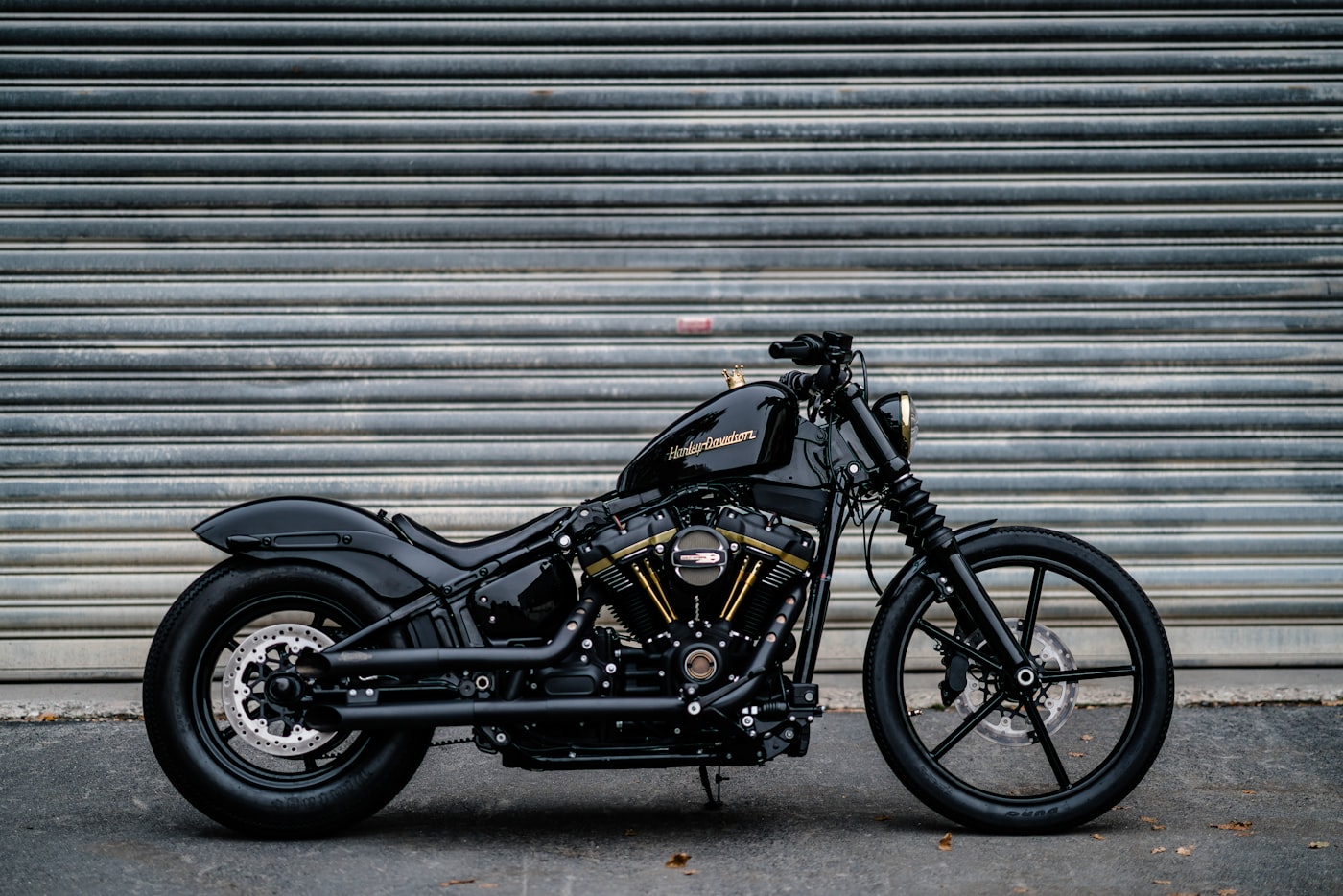
Motorcyclists are among the most vulnerable users of America's roadways. According to the NHTSA, motorcyclists are 29 times more likely to die per vehicle mile traveled than passenger car occupants. In 2022, 5,932 motorcyclists were killed in crashes — representing 14% of all traffic fatalities while accounting for less than 1% of vehicle miles traveled.
Why Motorcycle Accident Claims Are Uniquely Challenging
Bias Against Motorcyclists — Insurance adjusters, juries, and even some judges carry subconscious bias against motorcyclists — viewing them as risk-takers deserving less sympathy. An experienced motorcycle accident attorney can counter this narrative with evidence.
Catastrophic Injury Severity — Without the protective frame of a car, motorcyclists sustain far more severe injuries: traumatic brain injuries (even with helmets), spinal cord injuries, degloving injuries, road rash requiring skin grafts, and amputations.
Contributory Fault Arguments — Insurance companies routinely argue that the motorcyclist was speeding, weaving, or otherwise contributing to the crash to reduce the claim.
Common Causes of Motorcycle Accidents
- Left-turn collisions — The most common type. A car turns left across an oncoming motorcycle's path. Accounts for 42% of fatal motorcycle crashes.
- Lane changes without checking blind spots
- Dooring — Driver opens a car door into the path of a motorcyclist
- Rear-end collisions — Motorcycles stop faster than cars; tailgating is deadly
- Unsafe road conditions — Sand, gravel, potholes, uneven pavement, and debris are far more dangerous for motorcycles
- DUI drivers
- Motorcycle defects — Brake failures, tire defects, throttle malfunctions
Helmet Laws and Your Claim
Helmet laws vary significantly by state:
- Universal helmet laws (require all riders): 18 states + D.C.
- Partial laws (require helmets for riders under 18 or 21): 28 states
- No helmet law: Illinois, Iowa, New Hampshire
In states with universal helmet laws, riding without a helmet can reduce your compensation if the defense argues your head injuries were worsened by non-compliance. Even in states without mandatory laws, helmet use (or non-use) can be introduced as evidence of comparative negligence.
Lane Splitting: Legal in California, Contested Elsewhere
California is the only state where lane splitting (riding between lanes of slow or stopped traffic) is explicitly legal. Accidents occurring during lane splitting in other states may trigger comparative fault arguments regardless of who caused the crash.
Documenting Your Accident Scene
- Call 911 and request police and ambulance
- Do not move your motorcycle until police document the scene
- Photograph all vehicles, road conditions, skid marks, debris, and traffic controls
- Collect witness names and contact information
- Obtain the other driver's insurance and license information
- Seek emergency medical care even if you feel fine — adrenaline can mask serious injuries
Average Motorcycle Accident Settlements
| Injury Type | Average Settlement |
|---|---|
| Road rash / soft tissue | $20,000 – $75,000 |
| Broken bones (multiple) | $75,000 – $250,000 |
| Traumatic brain injury | $250,000 – $1,500,000+ |
| Spinal cord injury | $500,000 – $5,000,000+ |
| Wrongful death | $1,000,000 – $10,000,000+ |
Find a verified motorcycle accident attorney in our directory who understands the unique challenges of these cases.
Frequently Asked Questions
Q: Can I recover compensation if I wasn't wearing a helmet? A: In most states, yes — especially for non-head injuries. Even for head injuries, courts apply comparative fault rather than barring recovery entirely. An experienced attorney can argue that the crash itself, not the lack of helmet, caused your injuries.
Q: What if the at-fault driver says it was my fault for being in their blind spot? A: Drivers have a legal duty to check blind spots before changing lanes or turning. Being in a legal traffic lane is not negligent. This defense is frequently raised and frequently defeated.
Q: Can I sue the government for a road defect that caused my motorcycle accident? A: Yes, but government claims have special requirements including short notice deadlines (often 30–90 days) and specific procedures. If a pothole, debris, or poor road design caused your crash, contact an attorney immediately.
Q: My motorcycle was totaled. Can I recover its full value? A: Yes. Motorcycle property damage is recoverable. The at-fault insurer owes actual cash value (ACV) of the bike. If the insurer's valuation is too low, you can challenge it with market comparables. You can also recover storage fees and loss of use while the bike is being repaired or replaced.
Q: What if the at-fault driver has minimum insurance coverage? A: Motorcycle injuries are often severe, exceeding minimum policy limits of $25,000 to $50,000. Your own uninsured/underinsured motorist (UM/UIM) coverage becomes critical. Review your policy before an accident occurs and consider purchasing maximum UM/UIM coverage.

MyLegalWin Directory
Need Legal Help
With Your Case?
Browse attorneys by practice area and location, review their profiles, and choose whom to contact.